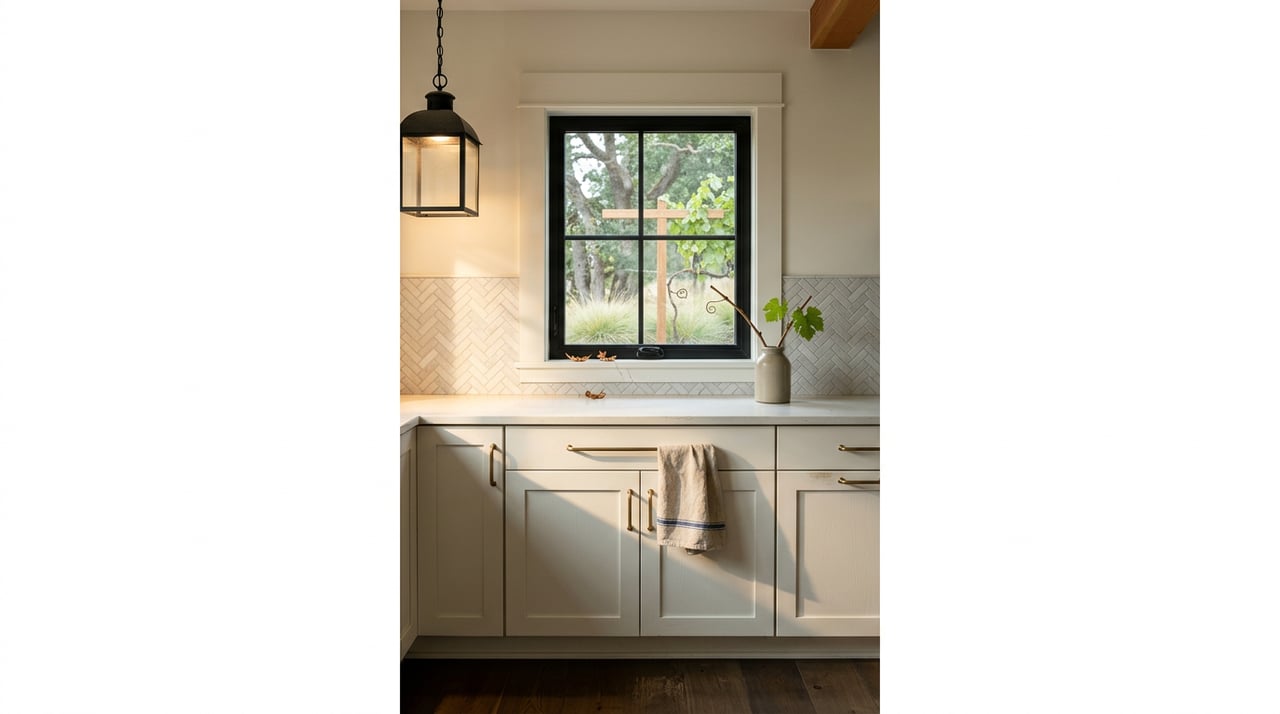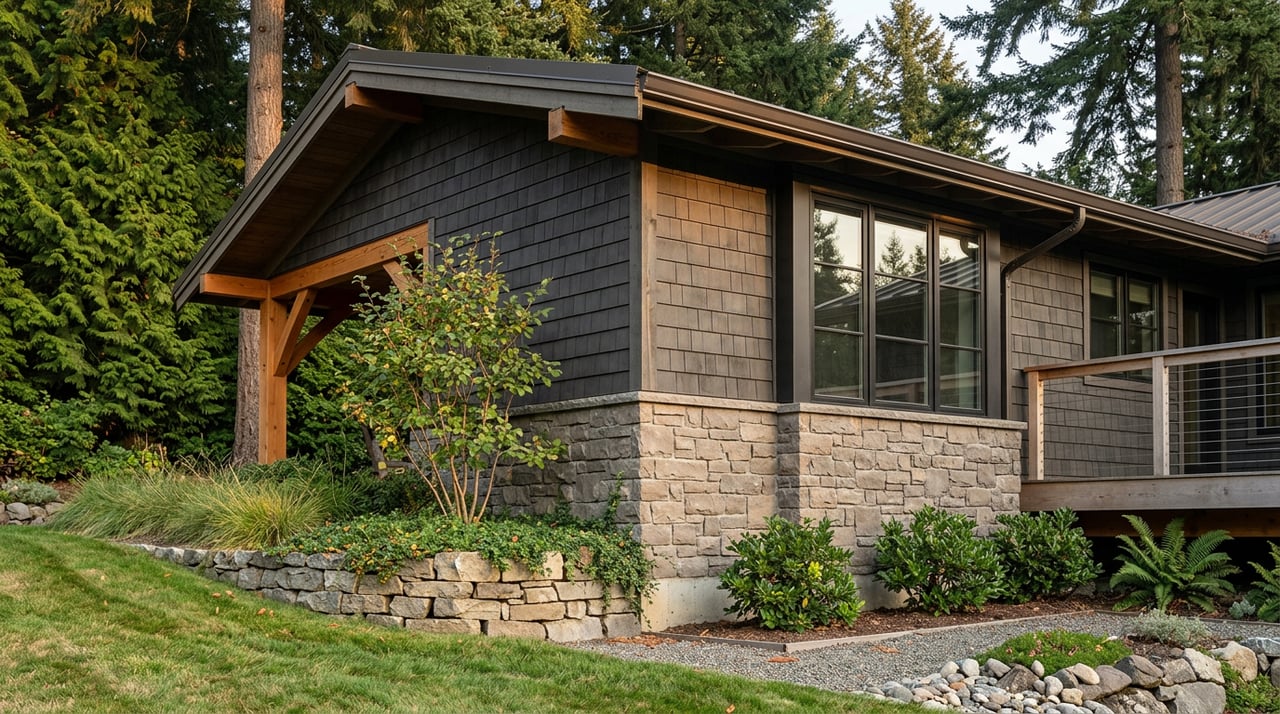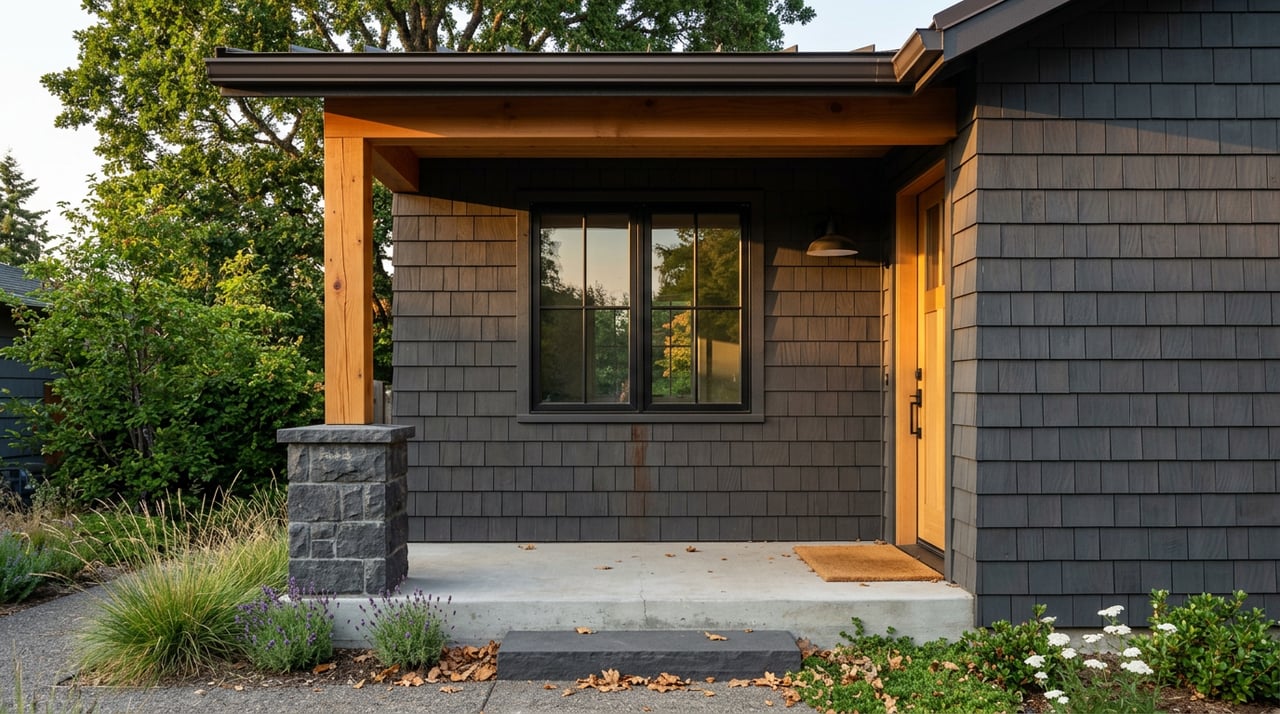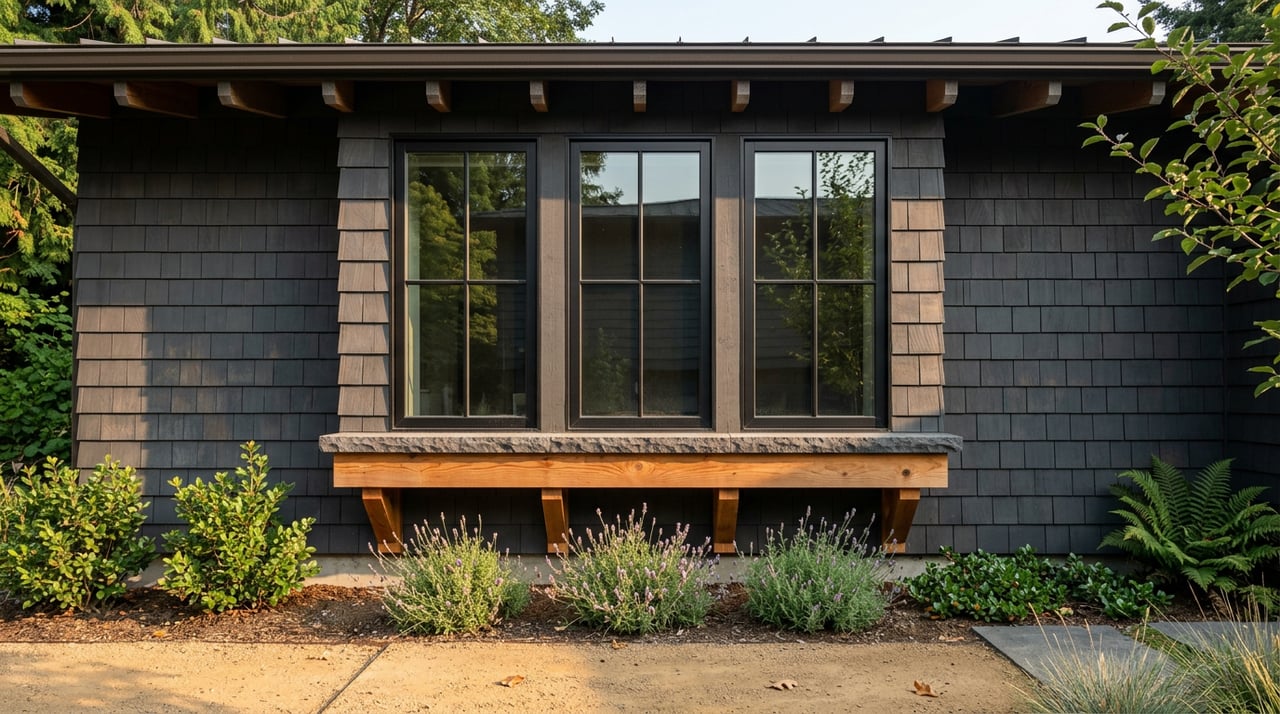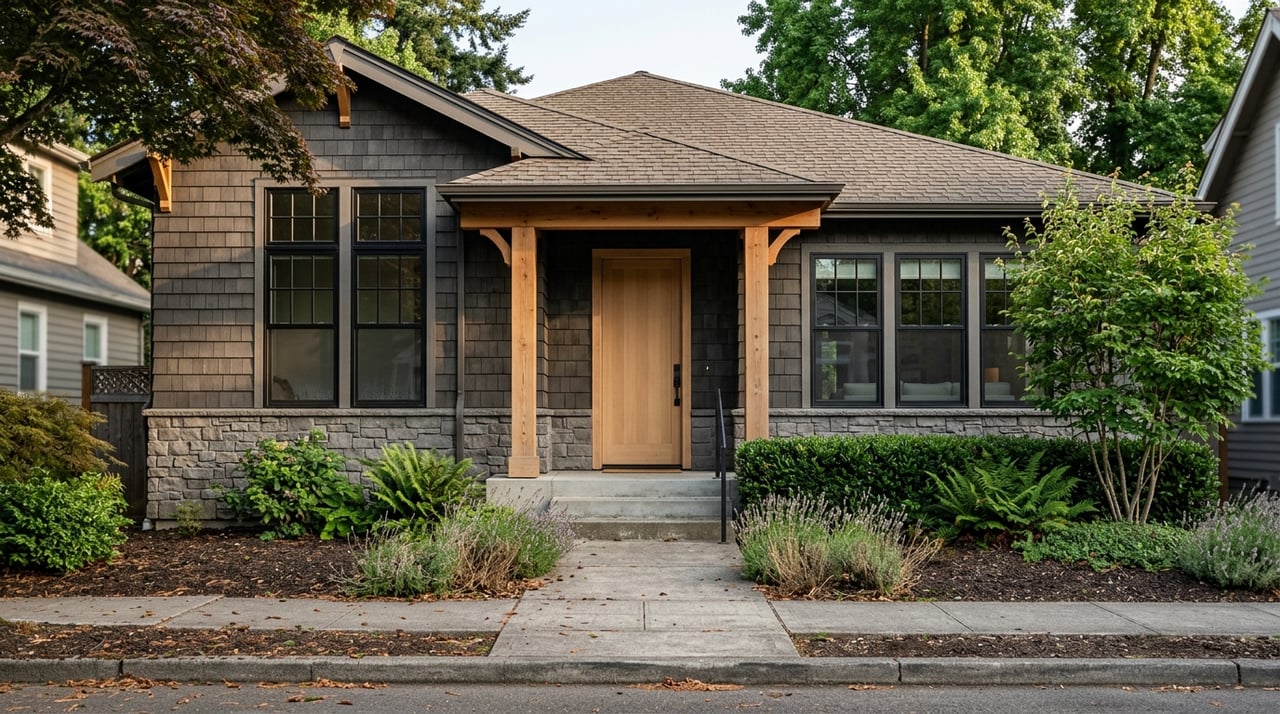
If you are trying to decide where to live in Hood River, the good news is that you do not have to choose between convenience and lifestyle. In a city of about 8,577 residents across just 3.35 square miles, the biggest differences between neighborhoods are usually not about long commutes. They are about walkability, trail access, housing style, and whether you want to be close to the historic core, everyday services, newer development, or a more rural valley setting. Let’s dive in.
Why Hood River Feels Different
According to the City of Hood River community description, Hood River is a compact city where Downtown, the Heights, and the Waterfront function as distinct districts that are still only minutes apart. That compact layout gives you flexibility. You can focus less on drive times and more on how you want your day-to-day life to feel.
The city also highlights Hood River’s strong outdoor identity, including windsports, watersports, hiking, and biking. If your ideal home search includes quick access to trails, the river, or a favorite coffee shop, neighborhood choice matters here in a very practical way.
Best Hood River Neighborhoods by Lifestyle
Downtown for Walkability
If you want to step outside and be close to restaurants, coffee shops, boutiques, galleries, and events, Downtown Hood River is the obvious starting point. The city describes Downtown as the original historic business district, revitalized to preserve its character, with dozens of blocks of retail and dining destinations in a compact area. That makes it one of the best fits for buyers who want an active street scene and easy daily walking access to local businesses.
Downtown also connects naturally to the waterfront lifestyle that draws many people to Hood River in the first place. The city notes that the Waterfront Trail is a 2.8-mile paved path linking The Hook to the Hood River Inn area, and Visit Hood River describes Waterfront Park as a hub for windsurfing, kiteboarding, winging, foiling, and stand-up paddleboarding. If being near the river is part of your routine, Downtown gives you one of the easiest ways to plug into it.
From a housing standpoint, Downtown tends to be more about smaller-footprint living than large lots. The city’s affordable housing strategy notes that Hood River has supported residential conversion of historic downtown buildings, and historic properties may involve additional review for alterations or construction. For you, that may mean Downtown is a strong fit if you value character, lower-maintenance living, or adaptive reuse, and less of a fit if your priority is a large yard or a simple renovation path.
The Heights for Daily Convenience
If your ideal neighborhood is practical, established, and easy to live in, the Heights deserves a close look. The city describes the Heights as Hood River’s established commercial district, with grocery, hardware, pharmacy, and other everyday services concentrated there. It also identifies OR 281 as the central corridor connecting Downtown with the Hood River Valley.
That corridor puts several important destinations within easy reach, including Providence Hospital, May Street Elementary, Hood River Middle School, Jackson Park, and the Indian Creek Trail, according to the city’s business district information. In other words, the Heights is less about tourist energy and more about the rhythm of everyday life.
Visit Hood River describes the Heights as a more laid-back area, with shops and small businesses on 12th and 13th Streets, views of Mount Hood and Mount Adams, and a mix of historic homes and newer homes. If you want an in-town location that balances neighborhood feel with practical access to services and the valley, the Heights often lands on the shortlist.
Eastside for Trail Access
Eastside is a good option if you want a more residential edge of Hood River with strong trail connections. It is not defined by a dense retail core in the way Downtown or the Heights are. Instead, its appeal comes from how it connects you to movement through town and toward the valley.
The city’s trails and pathways network links Downtown to eastside Heights neighborhoods through the historic 2nd Street Stairs, which lead to the Indian Creek trailhead. The Indian Creek Trail itself runs from Hazel at 2nd Street in the Heights to Hood River Valley High School. For buyers who care about walking, biking, or easy trail access as part of daily life, that is a meaningful advantage.
Eastside can also serve as a transition point if you are drawn to slightly more space without feeling too far removed from town. County planning materials suggest that areas farther east shift toward a more residential and rural-residential pattern, including newer development along roads like Highland Drive and East Side County Road, with orchards, open land, and some suburban residences. That makes Eastside especially appealing if you want to stay connected to town while moving a bit closer to the valley-edge feel.
Westside for Newer Housing Options
If you are focused on newer construction, more varied housing types, or west-end convenience, Westside is the area to watch. The city says the Westside District was established in 2023 and includes much of Hood River’s undeveloped land. Planning efforts there emphasize smaller and more varied housing types, including cottage-style homes, townhomes, duplexes, triplexes, apartments, and mixed-use development.
That is important if you are looking for housing options that may feel more contemporary than the historic character found closer to Downtown. Westside is less about legacy charm and more about flexibility, growth, and housing choice.
Visit Hood River also describes the west side as the gateway to western wineries and a base for service companies, office headquarters, hotels, restaurants, and stores. The city’s business district page identifies West Cascade near I-84 exit 64 as a more auto-oriented commercial area. For you, that can translate into easier freeway access and a more modern service-centered part of town.
Rural Valley for Space
If your lifestyle points toward acreage, orchards, privacy, or a stronger connection to Hood River County’s agricultural landscape, the rural valley may be your best fit. Hood River County describes part of its mission as preserving agricultural heritage in rural and resort communities. That matters because the valley experience is shaped as much by land use and setting as it is by home style.
The Hood River Fruit Loop materials describe a 35-mile rural tour featuring farm stands, wineries, breweries, cideries, and flower fields, while county information notes the valley includes about 14,500 acres of pears, apples, and cherries. If you picture a home search that includes orchard views, room to spread out, or a property with more land-specific considerations, this part of the market offers a very different experience from in-town neighborhoods.
The tradeoff is simple. You usually gain space, privacy, and a more agricultural setting, but you also take on more driving and a more property-specific purchase process. For buyers interested in acreage or small-farm style properties, that is where local guidance becomes especially valuable.
Quick Neighborhood Comparison
Here is a simple way to think about Hood River neighborhoods based on lifestyle priorities:
| Lifestyle Priority | Best-Fit Area | Why It Stands Out |
|---|---|---|
| Walkability and dining | Downtown | Historic core, shops, restaurants, events, river access |
| Everyday errands and services | The Heights | Grocery, pharmacy, hardware, parks, schools, valley corridor |
| Trail access and residential feel | Eastside | Indian Creek Trail connections and easy movement between town and valley |
| Newer housing and freeway access | Westside | Growth area with more housing variety and west-end convenience |
| Acreage and agricultural setting | Rural Valley | Orchards, open land, privacy, and rural lifestyle |
How to Choose the Right Area
Start With Your Daily Routine
Think about what you want most days to look like. If you want to walk to coffee, dinner, or the waterfront, Downtown may feel natural. If you care more about errands, services, and a practical in-town setup, the Heights may line up better.
If trails are part of your weekly routine, Eastside may deserve more attention. If you are open to a newer area with evolving housing options, Westside could be worth following closely.
Think About Home Style
Different parts of Hood River often come with different housing patterns. Downtown may offer more mixed-use or historic building stock and smaller-footprint living. The Heights tends to offer a mix of historic and newer homes, while Westside planning points toward a wider range of newer housing types.
If you are considering rural valley properties, your search may involve more than the home itself. Access, land use, and the overall setting often become a larger part of the decision.
Match Setting to Lifestyle
In Hood River, the setting around your home shapes your experience as much as the home itself. Some buyers want a lively street and easy access to businesses. Others want immediate trail connections, views, west-end convenience, or a quieter property surrounded by orchards and open land.
When you get clear on that, the neighborhood choice usually becomes easier.
Local Guidance Matters in Hood River
Hood River is compact, but it is not one-size-fits-all. Small shifts in location can change how walkable your day feels, how easily you reach trails or the river, and what kind of housing options you are likely to see. That is why neighborhood guidance is so helpful here, especially if you are relocating, buying a second home, or comparing in-town living with rural acreage.
If you want help narrowing down the right fit for your lifestyle in Hood River or anywhere in the Gorge, connect with Julie Gilbert. You will get thoughtful, local guidance tailored to how you actually want to live.
FAQs
What is the most walkable neighborhood in Hood River?
- Downtown Hood River is generally the best fit for walkability because it has the city’s strongest concentration of shops, restaurants, coffee spots, galleries, and events.
Which Hood River neighborhood is best for everyday errands?
- The Heights is often the most practical choice for errands because it includes grocery, hardware, pharmacy, and other daily services in an established in-town area.
What part of Hood River is best for trail access?
- Eastside stands out for trail access thanks to links like the 2nd Street Stairs and the Indian Creek Trail, which connect parts of town and the valley side of the city.
Where should I look for newer housing in Hood River?
- Westside is the main area to watch for newer and more varied housing types, including cottages, townhomes, duplexes, triplexes, apartments, and mixed-use development.
Are there rural properties near Hood River with orchard or acreage settings?
- Yes. Areas outside the city in the rural valley offer a more agricultural setting with orchards, open land, privacy, and acreage-style opportunities, though they usually involve more driving and a more property-specific buying process.