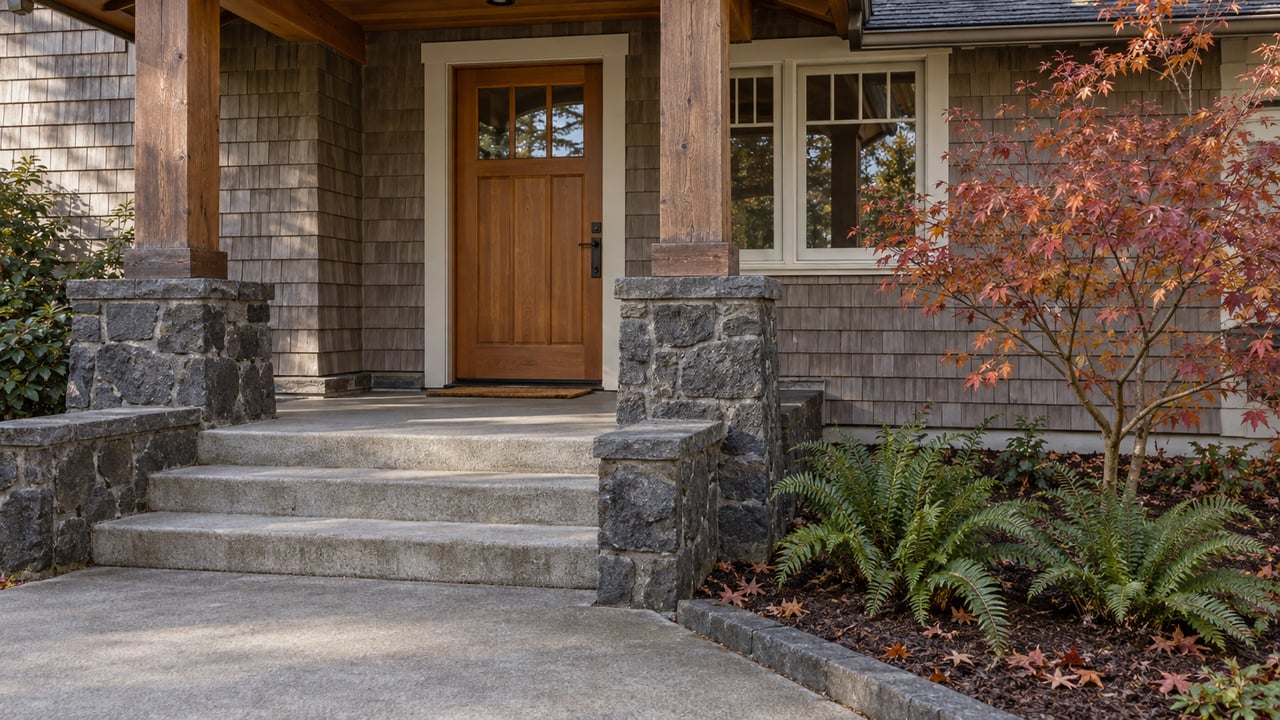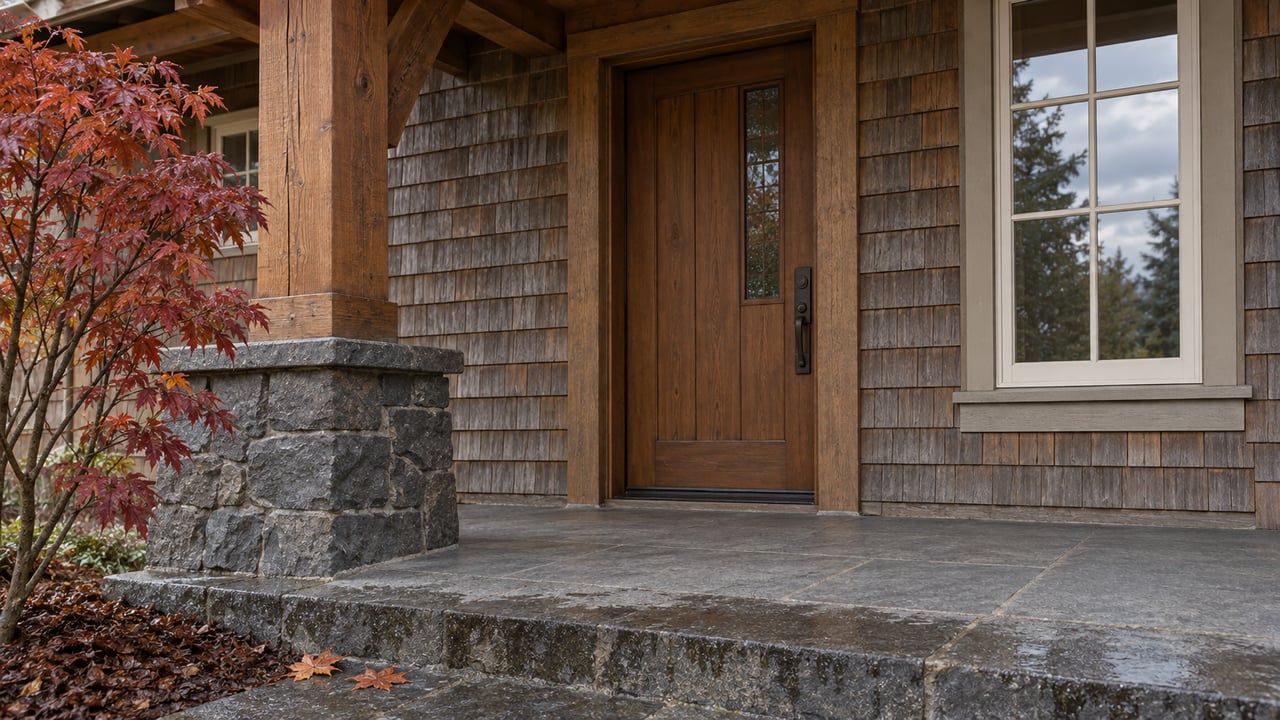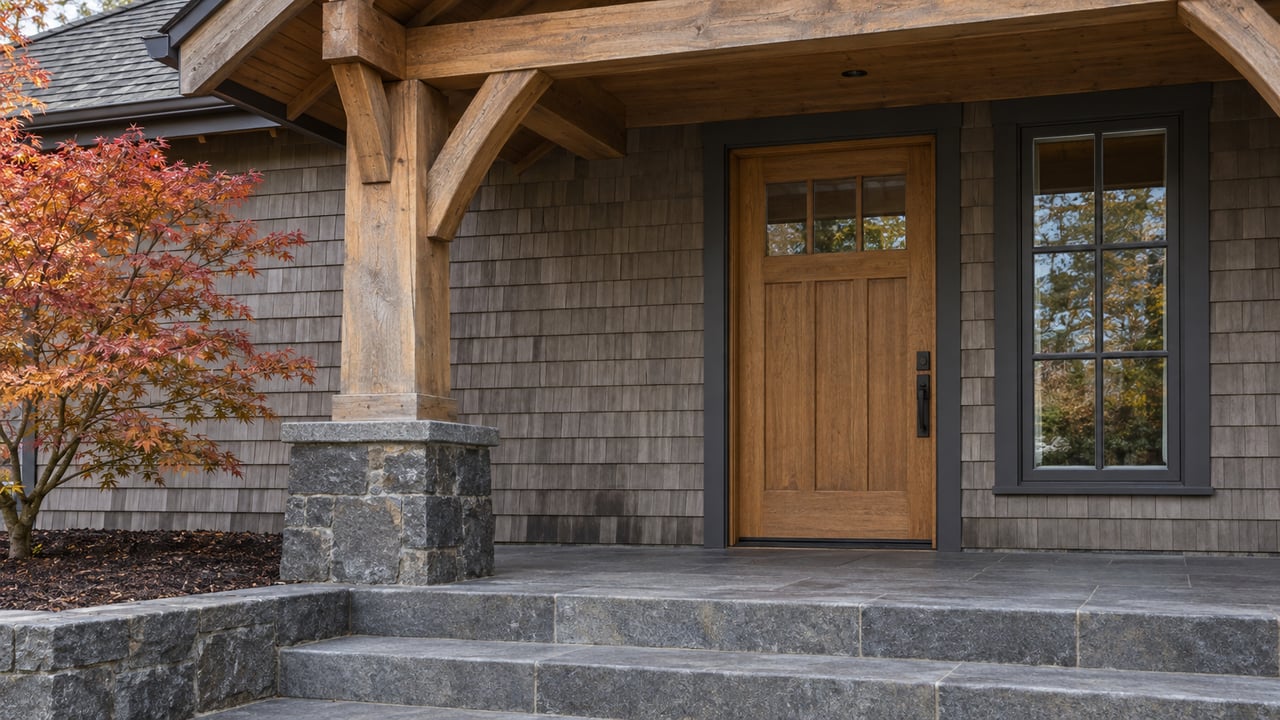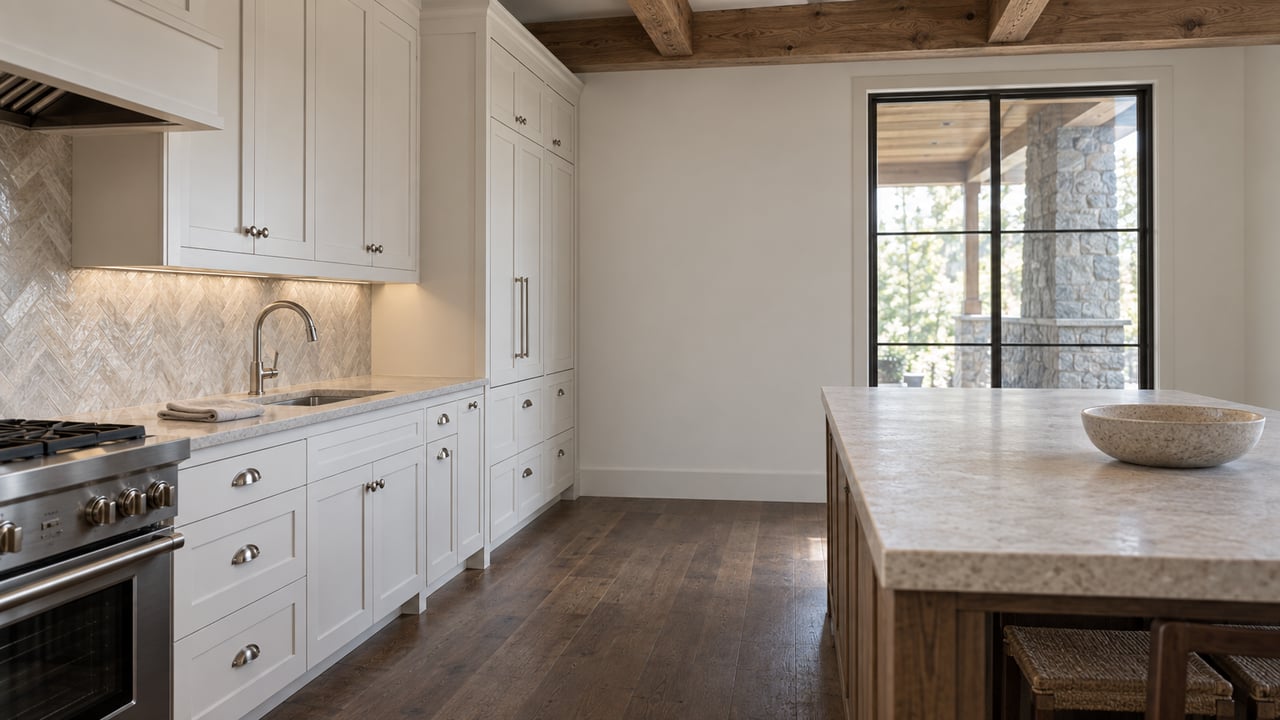
For years, "downtown" and "the waterfront" have functioned as two separate weekends in Hood River. You either walked Oak and Cascade, or you drove under I-84 to the Event Site. This summer, that gap is closing, and it is closing at a specific address: 201 Cascade Avenue, where the 1904 Waucoma building finally reopened as a hotel for the first time since 1973.
If you live here, the interesting question is not whether the Lightwell is a nice hotel. It is what a full-service downtown anchor does to the rhythm of a summer Saturday you have already lived through twenty times.
The building that pulls downtown toward the river
Lightwell sits inside the restored 1904 Waucoma Hotel and is downtown Hood River's first full-service hotel in over a century, with a sunlit atrium, rooftop bar, Pacific Northwest–Mediterranean restaurant and stone-walled subterranean spa. The 69-room boutique property opened this year, and its re-created rooftop veranda with a wooden trellis canopy mirrors the original hotel's design and is now home to Hood River's only rooftop bar.
That last detail is the one that matters for residents. A rooftop bar downtown, four stories up, with a sightline to the Columbia, quietly reframes where you go when the wind picks up and the Event Site parking lot fills. Co-owner Gabe Genauer has described the hotel as "Hood River's living room," a design intended to pull locals in, especially in the off-season.
The ground-floor pieces are the ones a resident will actually use week to week:
- Basecamp Cafe & Provisions. Breakfast and lunch, an exclusive coffee partnership with Portland's Proud Mary Coffee, plus charcuterie fixings, local jams, tinned fish, regional wines and grab-and-go provisions.
- The Lobby Bar. Small plates, cocktails, Oregon wines and craft beer, along with live music.
- Rooftop at Lightwell. Panoramic Columbia River views, oysters, sparkling wine and sunset cocktails.
None of this replaces pFriem, Ferment, or Solstice. What it does is add a downtown terminus for the walk that used to end at your car.
The summer rhythm the calendar keeps writing
The waterfront's usable season runs roughly Memorial Day through Harvest Fest, and it is more programmed than most residents realize until they try to park on a Saturday. A short list of what actually recurs, in the order you will run into it:
| Standing event | Where | The local read |
|---|---|---|
| Yoga + Beer on Thunder Island | Thunder Island, Cascade Locks | A Thursday morning summer tradition, ~9:30 a.m. |
| KB4C (Kiteboard for Cancer) | Event Site | Grass area rented out for the weekend, Pay-to-Park lot still open |
| Gorge Downwind Champs | HQ in Stevenson, races Gorge-wide | A full week of canoe races across the corridor |
| 5K Beer Run at Ferment Brewing | Ferment, Portway Ave | Part of the 2026 Oregon Brewery Running Series |
| Hood River Cider Fest | New location at WAAAM | Moved in 2026, admission now free, tasting wristbands sold separately |
| Hood River Harvest Fest | Downtown waterfront | Friday 1–6, Saturday 10–6, Sunday 10–5 |
Two of those deserve interpretation. Cider Fest, in its 11th year, made admission free in 2026 and moved up to the outdoor space of the Western Antique Aeroplane and Automobile Museum at 1600 Air Museum Road, with discounted museum tickets bundled in for guests. That is a meaningful shift. For years the fest anchored the waterfront in early May. Its move up to WAAAM pulls foot traffic out of Portway on that weekend and hands it to the museum grounds instead. If you live on the west side and used to plan your Saturday around avoiding the fest, that calculus is different now.
The Downwind Champs is the other one worth flagging. The canoe races headquartered in Stevenson with races of various lengths scheduled across the week put unusual paddle traffic on the river all week, which is a good thing to know before you launch a SUP from Nichols Basin at midday.
Reading the trail like someone who uses it
The Hood River Waterfront Trail is a 2.8-mile paved path connecting The Hook on the western waterfront to the Best Western Plus Hood River Inn on its east side, linking numerous parks and recreation sites. Every visitor guide says that. What a guide will not tell you is that those 2.8 miles are actually four distinct micro-environments, and choosing the wrong one on a windy afternoon is the difference between a good walk and a sand-blasted one.
Here is the trade-off, honestly:
| Zone | Best for | The reason locals pick it |
|---|---|---|
| The Hook | Beginner windsurfing, quieter walks | Protected cove for beginning windsurfing lessons and other uses — sheltered from the worst of it |
| Nichols Basin | SUP, kayak, small non-motorized launches | Protected cove, beach and launch site for small non-motorized watercraft — calmest water on the corridor |
| Event Site / Waterfront Park | Family time, event days, wind sports viewing | The insider move is arriving on a weekday morning; the wind picks up by early afternoon and the park gets busy fast during summer |
| Marina Park / The Spit | Boat launch, kiteboarding, sandbar walking | Size of the Sandbar changes with river levels, and strong currents and unpredictable changes in water depth require experience |
The Marina corridor is the one most residents underuse. Marina Park is less a single park and more a collection of interconnected waterfront amenities — Marina Green, beach areas, a public boat launch, the Marina itself, and the History Museum all along the same corridor — and it's where locals land on summer afternoons when they want somewhere between a full-day adventure and just sitting outside, with easier Columbia River access for kayakers and paddleboarders who don't want to fight crowds at the Event Site.
What is changing under your feet
Two infrastructure items are worth tracking if you use the waterfront weekly.
The first is the roundabout. The Port of Hood River is planning to improve transportation at the waterfront by designing a roundabout at 2nd Street and Riverside Drive, the main entrance to the waterfront from downtown and Interstate 84. The project has advanced to 30 percent design with environmental review substantially complete, and final design is expected by December 2026. Construction is not this summer. It is, however, the reason the current merge feels like a temporary condition. Plan accordingly for the years ahead.
The second is smaller and more immediate. The Port has been repairing deteriorated asphalt on portions of the Waterfront Trail and N. 1st Street, with detours to access the Event Site and Frog Beach. If you commute by bike to the west side, check the Port's notices page the night before rather than discovering a closure at 7 a.m.
And Phase II of the same project will look at improving and realigning 1st Street between Riverside Drive and Portway Avenue, including a future transit facility being designed and built by Columbia Area Transit. A CAT stop on the waterfront changes how you plan a summer evening when you actually want the second glass of wine.
The Lightwell effect, in one sentence
The interesting thing about a downtown anchor with a rooftop is not the rooftop. It is what it does to the walk home.
For fifteen years, the summer evening walk in Hood River has ended somewhere along Oak or State. Lightwell adds a fourth-story terminus with a river view, which means the walking loop that starts at the Marina, follows the trail east under the bridge, climbs the 2nd Street Stairs, and ends downtown has a natural stopping point it did not have last July. That is a small architectural change and a real behavioral one.
The move worth stealing this summer
Pick a Thursday. Get to Waterfront Park before 11. Do the flat walk from the Event Site to the Marina Green while the water is still glassy. Grab coffee at Basecamp on the way back through downtown. Come back at sunset for the rooftop. You will use four different pieces of the waterfront in one day, and the wind will only be a factor for one of them.
That is the summer this year rewards.
If you are thinking about how a shifting downtown and waterfront affect the way your own home lives, or the way it would show to a buyer this fall, Julie Gilbert has spent fifteen-plus years watching these patterns rearrange themselves. Reach out for a free home valuation and a locally grounded read on what the summer of 2026 means for your block.